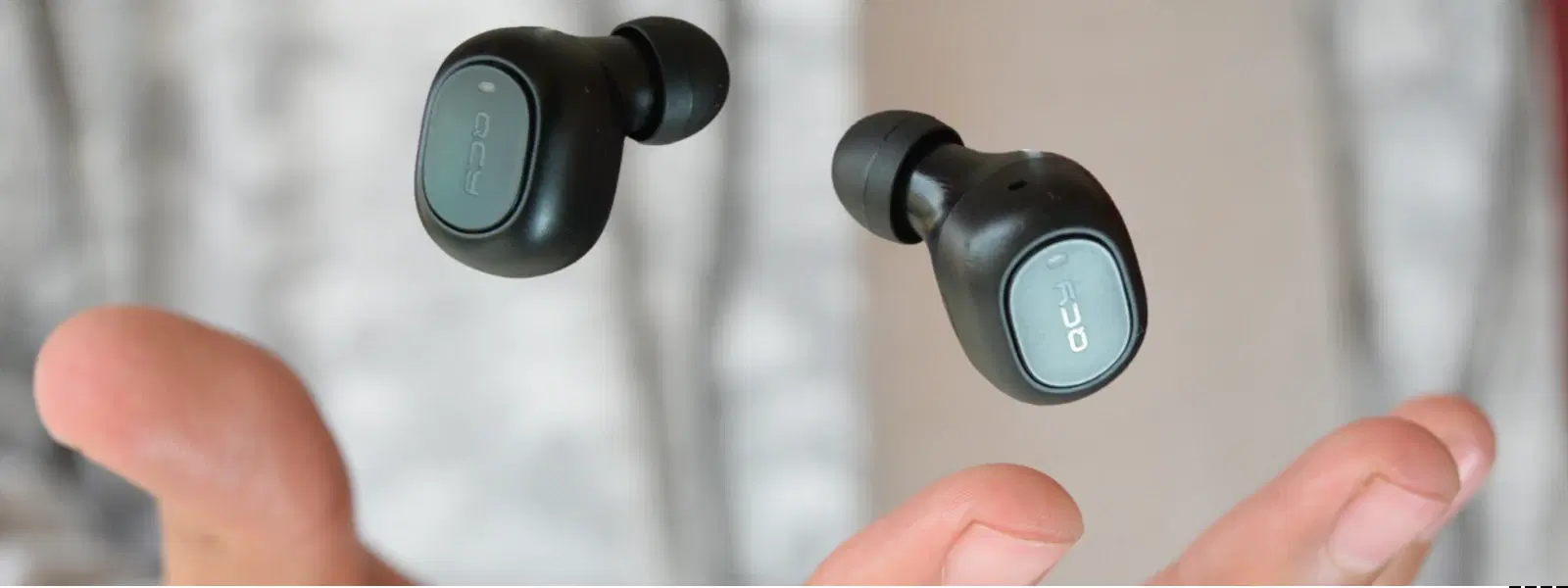
Buying wireless earbuds sounds simple at first, but it can become confusing very quickly. There are many models at different prices, each claiming to offer better sound, battery life, comfort, and smart features. For buyers who do not want to waste money, the smartest approach is to focus on how the earbuds will actually be used. The right choice is not always the most expensive or most talked about model. It is the one that matches your habits, priorities, and budget.
The first step is understanding your main reason for buying earbuds. Some people want them mainly for music. Others need them for calls, workouts, travel, or online meetings. A person who mostly listens during commuting will have different needs from someone who wants reliable call quality for work. Defining your main use case makes every other decision easier.
Comfort should be one of your top priorities. Earbuds that sound excellent but feel painful after thirty minutes are not good purchases. Look for models that come with multiple ear tip sizes, because fit has a major effect on both comfort and sound quality. A secure fit also matters if you plan to use them while walking or exercising. Lightweight earbuds are often better for long sessions, especially for people who are sensitive to pressure in the ears.
Sound quality matters, but it should be considered realistically. Many buyers get distracted by marketing words without thinking about the kind of sound they actually enjoy. Some earbuds are tuned for stronger bass, which works well for pop, hip-hop, and energetic listening. Others aim for a more balanced sound that makes vocals and podcasts clearer. There is no single perfect sound for everyone. The key is to choose something that matches your listening habits.
Battery life is very important in day-to-day use. Wireless earbuds have two battery systems to think about: the earbuds themselves and the charging case. Some models may last long enough for normal use but still need frequent charging if you listen for many hours each day. Buyers who travel often or use earbuds heavily should pay close attention to total battery support from the case. Fast charging can also be very useful when you need quick extra power.
Call quality deserves more attention than many people give it. If you plan to use your earbuds for work calls, voice notes, or regular phone conversations, microphone performance becomes a big factor. Some earbuds sound fine for music but struggle in windy or noisy places. Others are better at keeping your voice clear. If calls matter to you, do not assume every pair will perform equally.
Connectivity is another practical point. Good wireless earbuds should pair easily and reconnect quickly after the first setup. Stable Bluetooth performance is essential because random connection drops can become frustrating. If you use multiple devices, features like easy switching or dual-device support may also be useful, though not everyone needs them.
Noise isolation and noise cancellation are often confused. A good physical fit already reduces outside sound. Active noise cancellation goes further by electronically reducing background noise. This can be helpful on planes, in public transport, or in busy spaces. However, it is not necessary for every buyer. If you mostly listen in quiet places, you may not need it. Buyers on tighter budgets should consider whether they truly need advanced noise control or whether a good fit is enough.
Durability matters, especially if you plan to use the earbuds outdoors or during workouts. Basic sweat or water resistance can be very useful. It does not mean the earbuds are waterproof, but it can help them survive light rain or exercise. People who are rough on their gadgets should pay attention to case quality and general build strength as well.
Controls also affect daily satisfaction. Touch controls look modern, but some users find them too sensitive or unreliable. Others prefer physical buttons because they are more precise. This comes down to preference, but it is worth thinking about because you will interact with those controls often.
Budget should guide the search without dominating it completely. Very cheap earbuds may save money at first but lead to disappointment through poor sound, weak battery, or unreliable connections. At the same time, not everyone needs premium features. The best value often sits in the middle, where a product offers strong everyday performance without charging luxury prices.
Brand reputation can help, but it should not replace critical thinking. A well-known brand may offer better app support, software updates, and customer service, but lesser-known brands sometimes deliver impressive value. What matters most is whether the earbuds meet your actual needs.
In the end, the best way to choose wireless earbuds is to focus on your own priorities. Think about where you will use them, how long you will wear them, whether calls matter, how important battery life is, and what kind of sound you enjoy. When those questions are answered honestly, the buying decision becomes much easier. The right earbuds are not just the most popular pair on the shelf. They are the pair that fits naturally into your everyday life.
About The Author