For a long time, many people bought gadgets with one expectation in mind: use them until they stop working, then replace them. But that attitude is beginning to change. Repairability is becoming a more important topic in consumer technology, and for good reason. As devices become more expensive, more essential, and more environmentally significant, people are asking harder questions about how easy they are to fix, how long they should last, and who gets to repair them.
Repairability matters first because modern gadgets are central to daily life. Phones, laptops, tablets, and accessories are no longer optional luxuries for many people. They are tools for work, communication, study, entertainment, and even access to services. When a device breaks, the inconvenience can be serious. If repair is too expensive or too difficult, people may feel forced to replace products sooner than they should.
Cost is one of the biggest reasons this conversation is growing. Premium gadgets now cost enough that buyers expect them to last. When a battery weakens, a charging port fails, or a screen cracks, many users do not want the only option to be a full replacement. They want repair to be practical and affordable. As device prices rise, tolerance for disposable design falls.
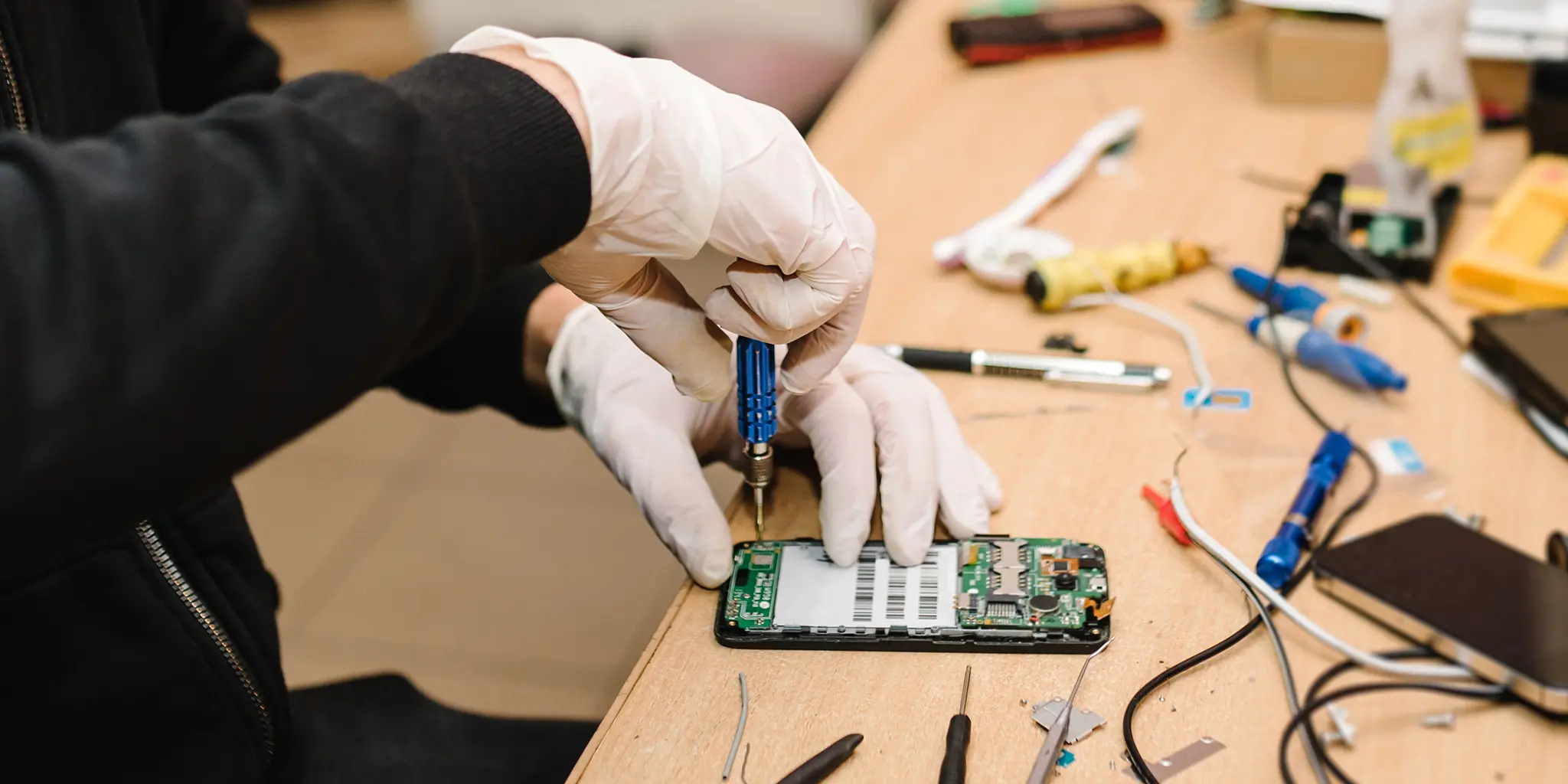
Environmental concerns are also pushing repairability into the spotlight. Electronic waste is a growing issue, and short product lifespans contribute directly to it. When devices are hard to repair, they are more likely to be discarded. Better repairability can help reduce waste by extending useful life. This is not only about individual savings; it is also about the broader impact of consumer habits and industrial design.
Battery replacement is one of the clearest examples. Many devices remain functionally useful for years, but battery degradation makes them less convenient. If a battery is difficult or expensive to replace, a still-capable device may be abandoned early. Easier battery replacement can add meaningful life to phones, tablets, and laptops. For users, that means better long-term value. For the environment, it means fewer unnecessary replacements.
Repairability is also connected to user rights. Many consumers and independent repair shops argue that buyers should have access to parts, manuals, and tools needed to fix the products they own. This has fueled wider discussions around the idea that ownership should include a reasonable ability to maintain and repair devices. The stronger this conversation becomes, the more pressure companies face to design products with repair in mind.
Manufacturers often balance repairability against other goals such as slimness, water resistance, visual design, and manufacturing complexity. These trade-offs are real. A thinner or more sealed device may be harder to open or repair. But the growing public conversation suggests that more consumers now want better balance. They are asking whether ultra-thin design is always worth the cost of making a product harder to maintain.
Another reason repairability matters is trust. A brand that supports repair can appear more confident in the long-term value of its products. It sends a message that the product is meant to last rather than simply be replaced. This can shape how consumers view quality, customer care, and brand responsibility.
Repairability also matters differently across income levels and regions. In some places, replacing a device may be affordable and convenient. In others, repair is a much more realistic path. A device that is difficult to fix can be especially frustrating in markets where replacement costs are high relative to income. This gives repairability not only a consumer angle but also a broader social and economic one.
The conversation is becoming larger because it connects several issues at once: consumer rights, environmental responsibility, value for money, and product longevity. It is no longer just a niche concern for hobbyists or technicians. Ordinary buyers are paying more attention, especially as they become more aware of how design choices affect cost and lifespan.
This does not mean every device will suddenly become easy to repair. But it does mean the issue is likely to remain important. Buyers are learning to ask better questions before purchasing. Reviewers are paying more attention to build design and long-term ownership. Companies are increasingly being judged not only by performance and appearance, but also by how well their products hold up over time.
In the end, repairability is becoming a bigger conversation because technology is no longer judged only by what it can do on day one. More people want to know what happens after months or years of use. Can the battery be replaced? Can a damaged part be fixed? Is the product built to last? Those questions are becoming central to what good consumer technology really means.
About The Author