Buying a smartphone has become more complicated than it first appears. At a glance, many phones seem similar. They all promise fast performance, bright displays, better cameras, and long battery life. Marketing often makes every new device sound essential, yet many buyers still end up with phones that do not actually fit their daily needs. The smartest way to buy a smartphone is not to chase the most expensive model or the most popular trend. It is to understand what features matter most in real everyday use and which ones are mainly there to impress on paper.
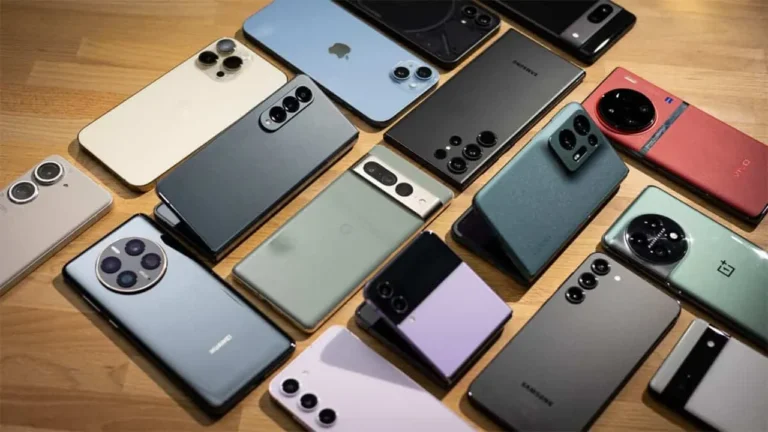
The first thing buyers usually notice is the design. A smartphone is something people hold, carry, and use many times every day, so comfort matters more than many realize. A phone that looks beautiful in photos may feel too large, too slippery, or too heavy in the hand. Some users prefer a compact device that is easy to use one-handed, while others want a larger screen for video, gaming, and reading. There is no universal ideal size. The best choice depends on how you use your phone and how comfortable it feels in your hand, pocket, or bag.
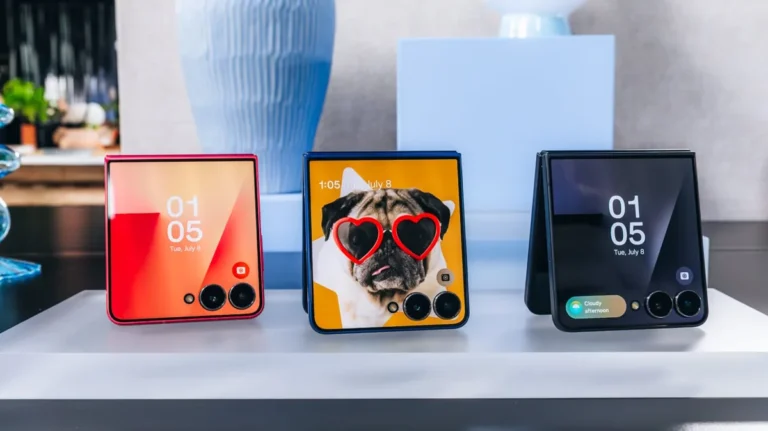
Display quality is one of the most important parts of the experience because it affects almost everything you do. Whether you are reading messages, browsing social media, watching videos, or checking maps, the screen is always in front of you. A good smartphone display should be bright enough for outdoor use, sharp enough for clear text, and responsive enough to feel smooth in daily tasks. Some phones offer richer colors and deeper contrast, while others focus on simplicity and battery efficiency. Buyers should think about how much they value media consumption and outdoor visibility rather than just chasing technical terms.
Performance is another area where marketing can easily mislead people. Many buyers assume they need the fastest processor available, but not everyone uses a phone in the same way. For everyday activities such as calls, messaging, web browsing, social media, streaming, and light multitasking, a well-optimized mid-range phone can feel perfectly fast. High-end performance becomes more important for heavy gaming, advanced video editing, and intense multitasking. The key is to buy enough performance for your actual habits, not just for bragging rights.
Battery life often matters more than pure speed. A smartphone that performs well but struggles to last through the day can quickly become frustrating. Battery performance depends not only on battery size but also on software optimization, display efficiency, and how the phone manages background tasks. Buyers should think about how often they are away from a charger, whether they travel frequently, and whether they use battery-heavy features such as mobile data, photography, gaming, or navigation. Fast charging is also useful because it reduces downtime and can make a noticeable difference in convenience.
Cameras are one of the main reasons people upgrade their phones, but this is also one of the most misunderstood areas. More camera lenses do not automatically mean better photography. What matters is how consistently the phone captures usable, attractive images in real situations. A good smartphone camera should handle daylight well, preserve detail, produce natural colors, and perform reasonably in lower light. For some users, the front camera matters just as much as the rear one because of video calls and selfies. Instead of focusing only on big numbers or multiple lenses, buyers should consider what kind of photos and videos they actually take.
Storage is often ignored until it becomes a problem. Apps, photos, videos, and downloads can fill up a device faster than expected. A phone with too little storage can become inconvenient over time, especially for users who take many pictures or install a lot of apps. Cloud storage can help, but it does not solve everything, especially when internet access is limited or when users want files available offline. Choosing enough storage from the start often leads to a better long-term experience.
Software experience is one of the biggest differences between phones, even when the hardware looks similar. A good smartphone should feel intuitive, stable, and clean to use. Some phones offer simpler interfaces, while others add many extra features and customizations. Buyers should think about whether they prefer a clean and straightforward experience or enjoy more tools and options. Software updates are also important because they affect security, performance, and long-term value. A phone that receives reliable updates is often a smarter investment than one with slightly stronger hardware but weaker long-term support.
Build quality and durability matter because smartphones are expensive daily tools. A phone should feel sturdy and well made, not delicate and temporary. Water resistance, scratch resistance, and solid construction can all add peace of mind, especially for people who rely heavily on their phones. A protective case helps, but starting with a durable device is always better.
Connectivity features such as 5G support, Wi-Fi quality, Bluetooth stability, and dual SIM support may also matter depending on the buyer. For some people, these details are minor. For others, especially travelers or users who manage work and personal lines, they can be very important. It is worth checking these practical features before buying rather than discovering limitations later.
Price should always be considered in relation to value. The most expensive smartphone is not always the best choice for every person. Many users pay for premium features they rarely use. At the same time, choosing the cheapest option can lead to frustration if performance, battery life, or software support are weak. The best phone is usually the one that delivers a balanced experience for the amount you are willing to spend.
In the end, what really matters when buying a smartphone is how well it fits your everyday life. A great phone is not defined only by specifications. It is defined by how comfortable it feels, how reliable it is, how well it handles your daily tasks, and how long it stays useful. Buyers who focus on real-world priorities rather than marketing hype are far more likely to end up with a phone they truly enjoy using.
About The Author