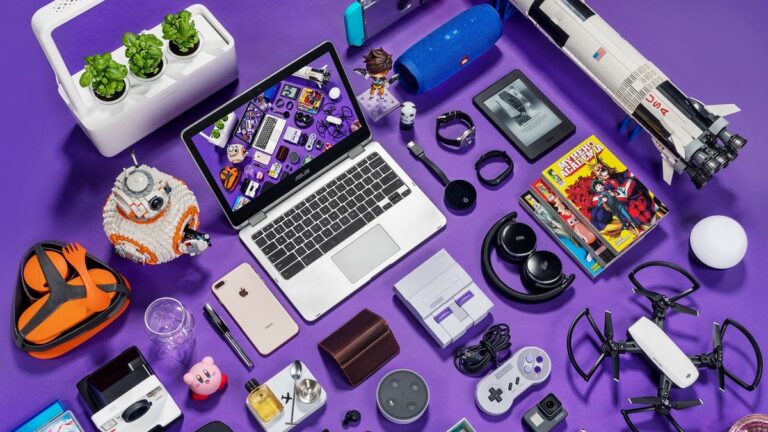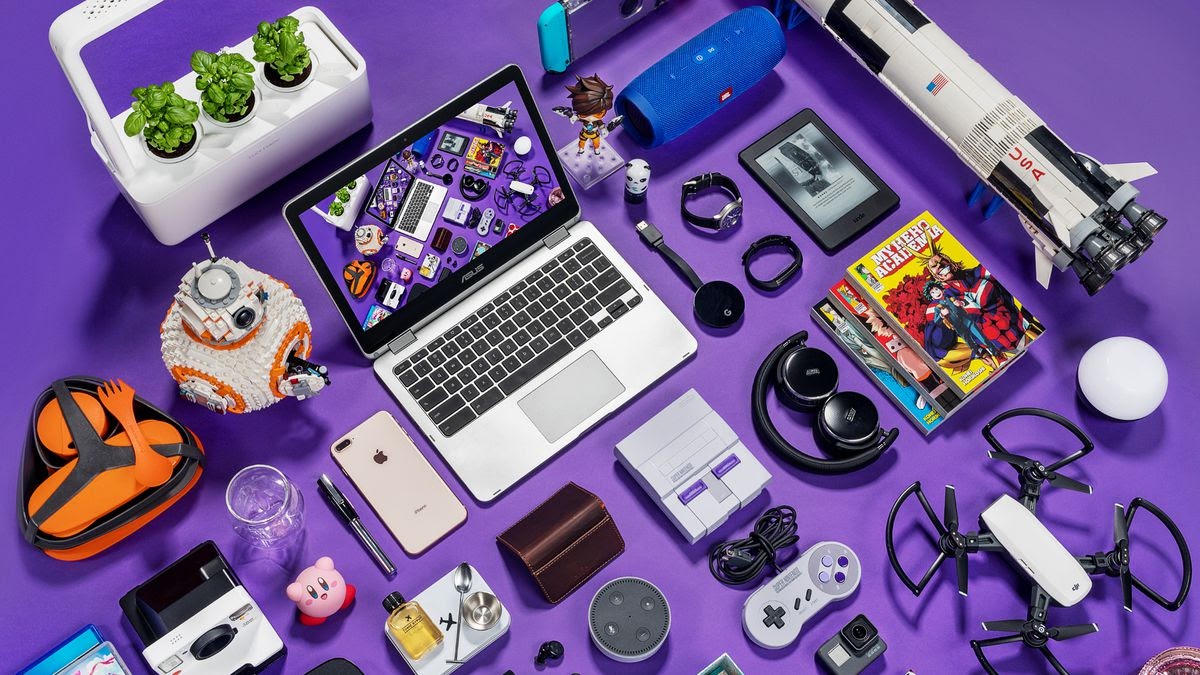
Tech accessories can be helpful, convenient, and sometimes even essential. They can improve how devices are charged, carried, protected, connected, and used. But they can also become one of the easiest ways to waste money. Many buyers end up with drawers full of cables, stands, chargers, and gadgets that looked useful at the time but added little value in real life. The difference between a smart accessory purchase and a wasteful one usually comes down to usefulness, compatibility, build quality, and honest self-awareness.
The first step in choosing a good accessory is asking what problem it solves. This may sound obvious, but many purchases happen because an item looks interesting rather than because it fills a real need. A useful accessory should make a task easier, safer, faster, or more comfortable. If it does not clearly improve something in your daily routine, it may not be worth buying.
Compatibility is one of the most practical things to check. An accessory may look perfect until you realize it does not fit your device well, does not support the right charging standard, or works only with certain models. This is especially common with chargers, cases, cables, and mounts. Buyers should verify compatibility before purchase rather than assuming everything is universal.
Build quality matters a lot, especially for accessories that are handled regularly. A cheap cable may fray quickly. A weak stand may wobble or break. A badly made charger may feel unreliable and create safety concerns. Because accessories often seem small and secondary, buyers sometimes accept poor quality too easily. But these are the items that support expensive main devices, so reliability matters.
Charging accessories deserve special attention. Power adapters, cables, wireless chargers, and power banks can make daily life easier, but only if they are dependable and suited to your devices. The cheapest option is not always a good bargain if it charges slowly, overheats, or fails early. A better charger or cable can save time and reduce frustration every single day.
Portability should also be considered. Some accessories are useful mainly because they are easy to carry. A travel charger, compact power bank, or foldable stand can be more valuable than a bulkier product with more features if it fits naturally into your routine. Buyers should think about where and how they will actually use an accessory rather than judging it only by specifications.
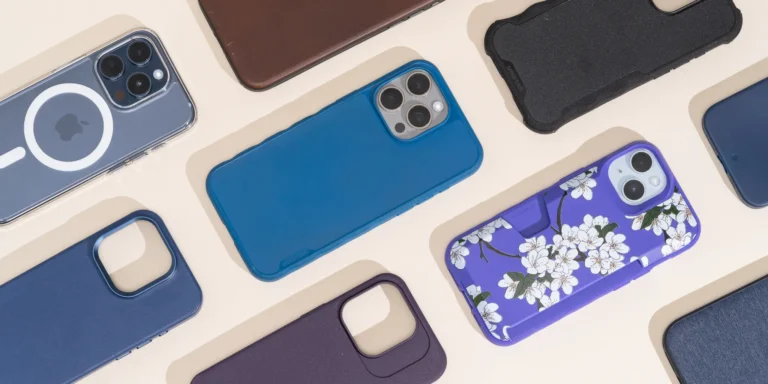
The best accessories often solve repeated everyday problems. A phone stand can improve comfort during video calls or streaming. A strong case can protect an expensive phone. A reliable keyboard can make long typing sessions easier. A good pair of earbuds can make commuting more enjoyable. These purchases have lasting value because they support habits you already have.
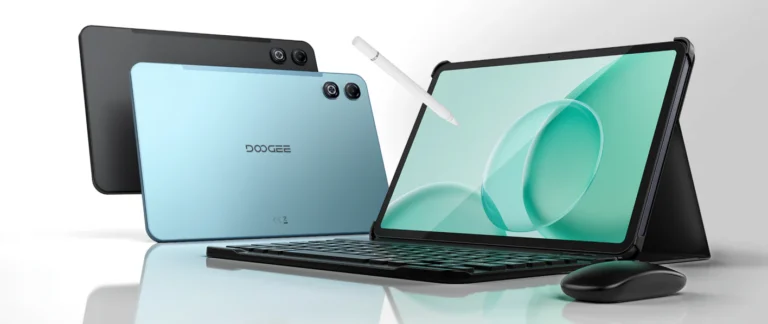
By contrast, accessories often become wastes of money when they are bought for imagined future behavior rather than real present needs. Someone may buy a complicated charging station expecting to organize every device perfectly, only to use it for a week and then ignore it. Another person may buy a premium tablet stand without ever using their tablet in a way that requires it. The more realistic you are about your habits, the smarter your purchases will be.
There is also value in simplicity. An accessory does not need to be innovative to be useful. Sometimes the most worthwhile purchases are basic, dependable items such as a durable cable, a protective case, or a compact charger. These may not feel exciting, but they often have the strongest impact on daily convenience.
Also read: A Simple Guide to Buying a Power Bank Without Regret
A good accessory should also have a long enough useful life to justify its price. If it is likely to become irrelevant quickly because of changing ports, poor build quality, or weak compatibility, its value is lower. Flexible accessories that work across several devices are often better long-term buys.
Reviews and user experiences can help, but buyers should still think critically. A popular accessory is not necessarily the right one for your setup. What matters is whether it fits your devices, your environment, and your habits. It is better to buy one excellent accessory that truly helps than several trendy ones that do very little.
In the end, the smartest way to choose tech accessories is to focus on usefulness over impulse. Ask what problem the accessory solves, whether it works properly with your devices, whether it is built well enough to last, and whether you will actually use it often. When buyers stay grounded in real-life needs, accessories become valuable tools instead of expensive clutter.
About The Author