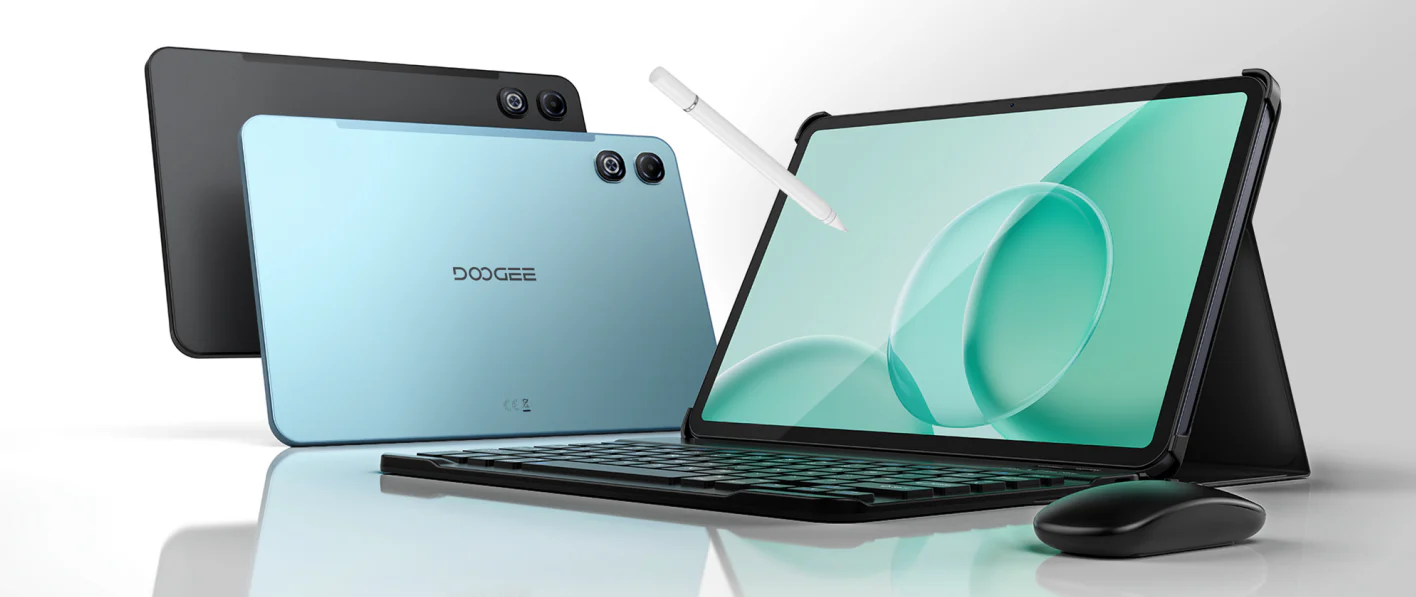
The line between tablets and laptops has become less clear over time. Tablets are more powerful than ever, and many can handle tasks that used to require a traditional computer. Laptops, meanwhile, have become thinner, lighter, and more portable. This creates a common buying question: should you get a tablet or a laptop for work and entertainment? The answer depends on the kind of tasks you need to do, how portable you want the device to be, and how much flexibility matters in your daily routine.
The biggest difference between the two is their core design. A tablet is built around touch input, portability, and simplicity. It usually starts with a lightweight body, a touchscreen, and an app-based experience. A laptop is designed for productivity first, with a physical keyboard, a more desktop-like operating system, and better support for multitasking. This basic difference shapes everything else.
For portability, tablets usually come out ahead. They are lighter, easier to hold, and better suited for travel, reading, video streaming, and casual use around the house. A tablet can be used on a sofa, in bed, on a plane, or while standing more comfortably than a laptop. For entertainment and relaxed browsing, this flexibility matters a lot.
Laptops are still generally better for real work. A proper keyboard, trackpad, and full operating system make them more efficient for writing, spreadsheets, multitasking, file management, and professional software. Even when tablets can technically perform some of these tasks, they often do so with more limitations or extra accessories. The user experience can feel less natural, especially when dealing with many files or browser tabs.
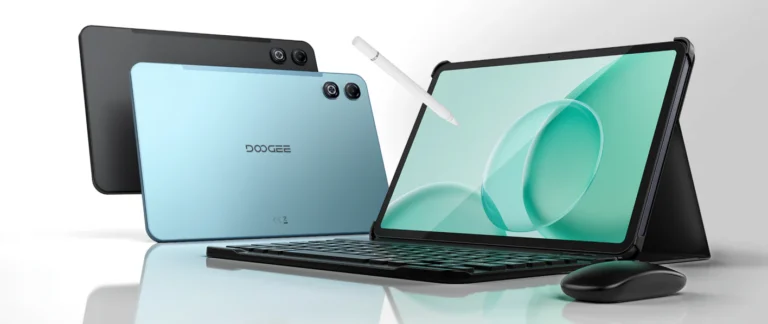
Typing is an important difference. Tablets can support on-screen keyboards or detachable keyboards, but neither feels as stable or natural as a built-in laptop keyboard for long writing sessions. Students, writers, office workers, and anyone who spends hours typing will likely find a laptop more comfortable and productive. Tablets are fine for short emails, quick notes, and light editing, but large writing tasks still favor laptops.
Display experience is more complicated. Tablets are excellent media devices. Their touchscreens, portability, and app-based environments often make them better for watching videos, reading articles, using social media, and playing casual games. The screen can feel more personal and direct. Laptops, however, often offer larger displays and are better for split-screen productivity, detailed work, and longer sessions that require multiple windows at once.
Performance depends on the device, but laptops generally provide more power for demanding tasks. They are better for serious multitasking, heavy browser use, video editing, coding, and desktop-style workflows. Tablets can be fast and smooth for everyday use, but they may struggle when pushed into advanced professional roles. Even powerful tablets are often limited more by software than hardware.
App ecosystems matter too. Tablets shine in areas where mobile apps are highly polished, such as note-taking, drawing, media consumption, reading, and certain creative tasks. They are also often more intuitive for people who prefer touch-based interaction. Laptops benefit from traditional desktop applications, more flexible file systems, and easier use of external accessories such as printers, external monitors, and storage drives.
Battery life can be strong on both sides, but tablets often feel more efficient in casual use. Because they are built for lighter workloads and simpler tasks, they can be very dependable for media and browsing. Laptops may consume more power, especially if they are running demanding tasks. That said, modern laptops can still provide excellent battery life, especially productivity-focused models.
For entertainment, tablets are often more enjoyable. They are easier to hold for streaming, browsing, reading, and casual gaming. Their portability makes them feel more personal and less formal. Laptops can handle entertainment very well too, but they usually feel more like work devices that can also play media, rather than the other way around.
Price and value depend on what you need. A basic tablet can be a good low-cost choice for entertainment, light communication, and simple app use. But once you add accessories like keyboards, styluses, or larger storage, the price can rise quickly. Laptops may cost more at first, but they often deliver better all-around productivity without needing as many add-ons.
So which one makes more sense? If your main priorities are portability, streaming, reading, casual browsing, social media, note-taking, and light tasks, a tablet is often the better fit. It feels more flexible, more relaxed, and more enjoyable for entertainment-focused use. If your priorities include writing, multitasking, work software, file management, and serious productivity, a laptop remains the better choice.
For many people, the real answer lies in how honest they are about their needs. Some buyers choose tablets hoping they will replace laptops, only to realize they still need a full keyboard and desktop-style workflow. Others buy laptops when a lighter, simpler tablet would have covered their real everyday habits. The smartest decision comes from matching the device to your actual lifestyle rather than buying based on trends.
You may also like: Wireless Earbuds vs Neckband Earphones: Which One Is Better for Everyday Use?
In the end, tablets are excellent companions for entertainment and light work, while laptops remain the stronger option for productivity and versatility. Neither is automatically better. The right choice depends on whether you need a device mainly for comfortable content consumption or for serious everyday work.
About The Author