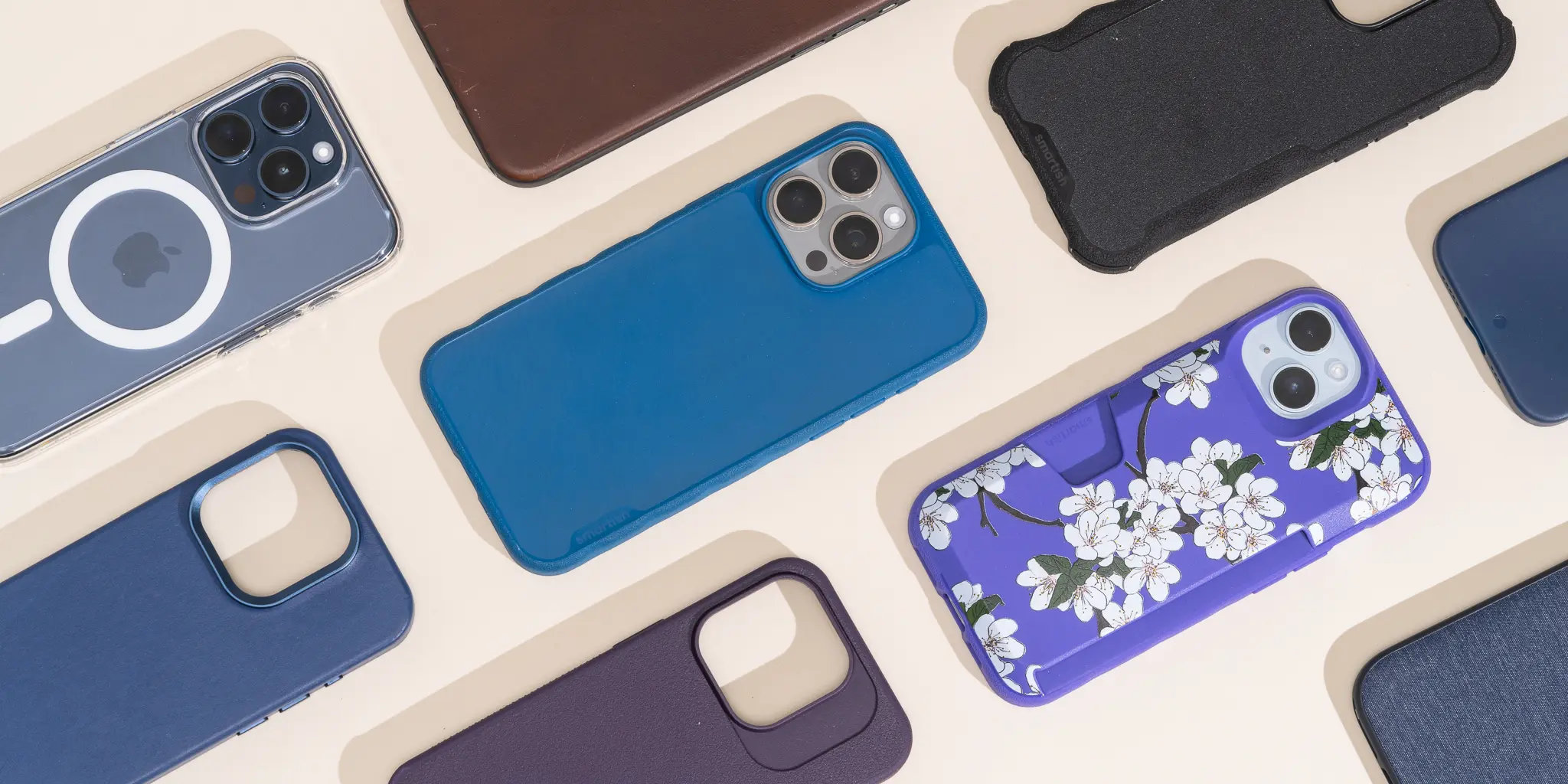
A phone case is often treated like a small extra purchase, something buyers pick up quickly after getting a new phone without thinking too much about it. Yet a good phone case can have a surprisingly large impact on the overall ownership experience. It affects protection, grip, comfort, appearance, and even how confident a person feels using their device every day. Because smartphones are expensive and used constantly, choosing the right case is more important than many people first assume.
The most obvious reason a phone case matters is protection. Phones are carried in pockets, bags, cars, offices, classrooms, and countless other places where they can be dropped or knocked against hard surfaces. Even careful users experience accidents. A case adds a basic layer of defense that can reduce the risk of scratches, dents, cracked corners, and damaged backs. It does not make a phone indestructible, but it can significantly improve the odds of a device surviving ordinary mishaps.
Grip is another major benefit that is often underestimated. Many modern phones are sleek and attractive, but they can also be slippery. Glass backs and smooth edges may look premium, yet they sometimes feel insecure in the hand. A good case makes the phone easier to hold, especially during one-handed use. This added grip can reduce the chance of drops and make daily handling feel more comfortable and relaxed.
Comfort matters too. The shape and texture of a case can affect how a phone feels in everyday use. Some cases add too much bulk and make a phone awkward to carry, while others strike a better balance between slimness and protection. The right case should improve confidence without making the device feel overly large or heavy. Because people hold their phones so often, this difference becomes noticeable over time.
A case also helps preserve resale or long-term value. A phone that remains in better physical condition is easier to sell, trade in, or keep using for a longer period. Scratches, chips, and cracks can lower value quickly. In that sense, a case is not just a protective item; it is also a small investment in the device’s lifespan and future usefulness.
Different users need different types of protection. Someone who mostly uses a phone at home or in an office may be happy with a slim case that protects against scratches and minor drops. A person who travels often, works outdoors, or has an active lifestyle may need something stronger. This is why choosing a case should not be based only on appearance. It should also reflect real habits and environments.
The design aspect is not unimportant. A case changes the look of a phone and can help users personalize their device. Some people prefer transparent cases to show off the original design, while others want bold colors, textures, or a more professional look. Style matters because the phone is a personal item, but style should work together with practicality rather than replace it.
Button feel and port access are small details that can make a big difference. A poorly designed case may make buttons harder to press, interfere with charging cables, or fit loosely around the edges. A good case should feel natural and should not get in the way of normal use. Small irritations become major annoyances when repeated many times each day.
Durability of the case itself matters as well. A cheap case may stretch, discolor, crack, or lose shape quickly. In that situation, the buyer ends up replacing the accessory more often and may lose some of the intended protection. A better-quality case usually lasts longer and performs more consistently over time.
There is also a psychological benefit to using a good phone case. People tend to use their phones more confidently when they feel protected. They worry less about setting the phone down, taking it outdoors, or using it in fast-moving daily situations. That peace of mind adds value even though it does not appear on a specification list.
Some users avoid cases because they want to enjoy the phone’s original design. That feeling is understandable, especially when manufacturers put a lot of effort into materials and appearance. But in many real-world situations, a phone without a case is simply more vulnerable than necessary. The ideal approach is to choose a case that respects the device’s look while still offering meaningful protection.
In the end, a good phone case matters because smartphones matter. They are expensive, personal, and essential to modern life. A case helps protect that investment, improves grip, preserves value, and makes daily use more comfortable. It may seem like a simple accessory, but the right one can quietly improve the entire smartphone experience in ways many people only appreciate after they have gone without it.
About The Author