Foldable phones remain one of the most talked-about developments in consumer technology. Even though they are still not mainstream purchases for most people, they continue to attract attention because they represent a different vision of what a smartphone can become. Some observers see them as expensive experiments, while others view them as important steps toward the future of mobile design. Whether or not you plan to buy one anytime soon, foldable phones matter because they show where the industry is trying to go.
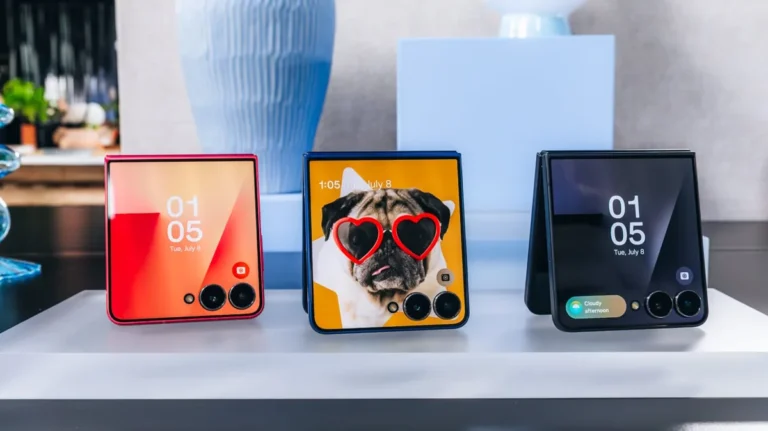
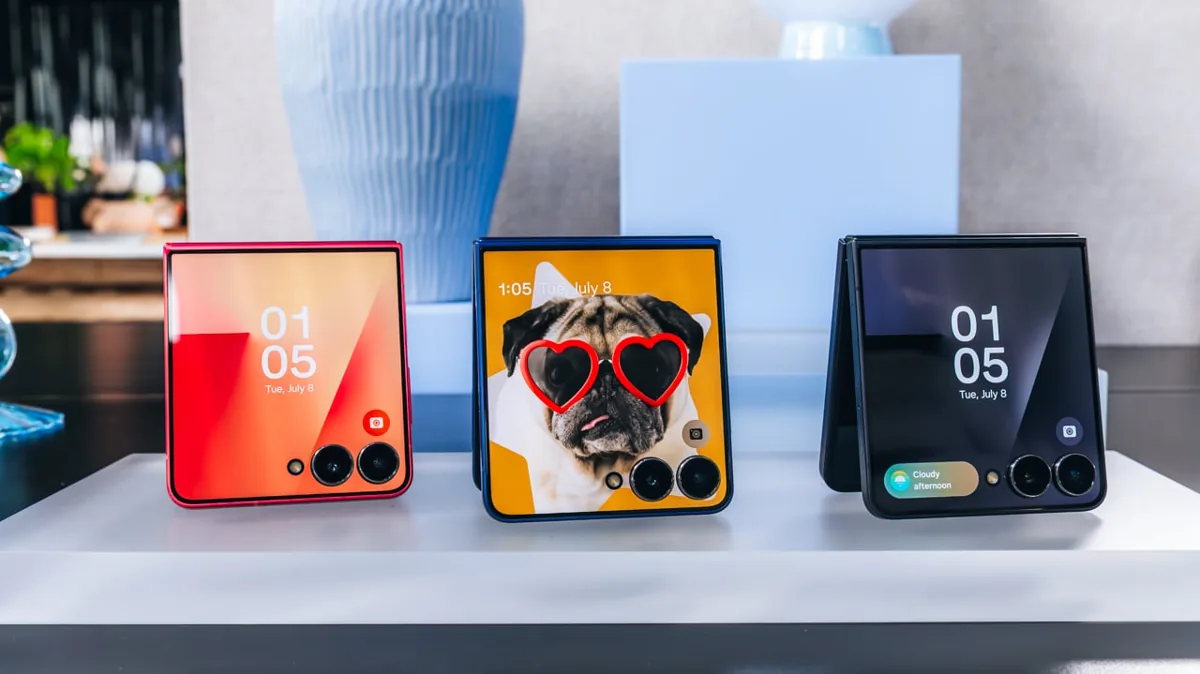
For many years, smartphones followed a similar pattern. Screens became larger, cameras improved, processors became faster, and bezels became smaller. But the basic shape stayed mostly the same: a flat slab with a touchscreen. Foldables challenge that pattern by introducing a device that changes shape. A foldable can function like a regular phone when closed and offer a larger display when opened. This shift is important because it turns the physical form of the phone itself into a feature.
One reason foldable phones matter is that they reflect a search for new ideas in a mature market. Smartphones have become very good, but they have also become predictable. Most yearly changes are improvements rather than transformations. Foldables stand out because they offer something genuinely different in the hand and in daily use. That makes them significant even for people who are not ready to buy one.
They also matter because they bring attention back to hardware innovation. In recent years, many smartphone improvements have happened through software, cameras, and background performance rather than visible physical change. Foldables remind people that hardware design can still evolve in bold ways. Hinges, flexible displays, multitasking layouts, and new form factors all create possibilities that standard phones do not offer.
Productivity is one of the strongest arguments in favor of foldables. A larger inner screen can make multitasking easier, improve reading, and create a more tablet-like experience without requiring users to carry a second device. For some people, that flexibility is genuinely useful. It can support reading documents, browsing multiple apps, watching media, and working on the go in a way that feels more spacious than a standard phone.
Foldables also matter because they influence the rest of the market. Even people who never own one may still benefit from the ideas they introduce. Technologies developed for foldables can lead to better displays, more durable hinges, stronger ultra-thin materials, and smarter multitasking software. Experimental products often help push broader progress, even when they begin as niche devices.
That said, foldables still face clear challenges. Price remains a major barrier. Durability concerns also make some buyers cautious, especially when they hear about delicate display layers or visible creases. Battery life, thickness, and long-term repair costs are additional concerns. These are real weaknesses, and they help explain why foldables are not yet mass-market products.
Still, early weaknesses do not mean the category lacks importance. Many now-common devices started as expensive or imperfect ideas. The key question is not whether foldables are already perfect. It is whether they point toward a direction that could become more practical over time. In that sense, they are important because they expand what users and manufacturers imagine mobile devices can be.
Foldable phones are also culturally significant because they make phones feel exciting again. In a market where many devices look similar, a foldable immediately stands out. It starts conversations, attracts curiosity, and gives people a sense that technology can still surprise them. That emotional effect should not be underestimated. Consumer interest is often shaped not only by usefulness but also by imagination.
Even for people who never buy one, foldables can influence expectations. Once users see a device that opens into a larger screen, they begin to think differently about what future phones, tablets, and hybrid devices could look like. This shift in expectations matters because it gives companies reason to keep experimenting.
In the end, foldable phones matter because they represent more than a premium gadget category. They are signs of an industry trying to reinvent one of its most important products. They push hardware design forward, inspire new software ideas, and create alternatives to the standard smartphone shape that has dominated for years. Most people may not own one yet, but their importance lies in what they suggest about the future of mobile technology.
About The Author