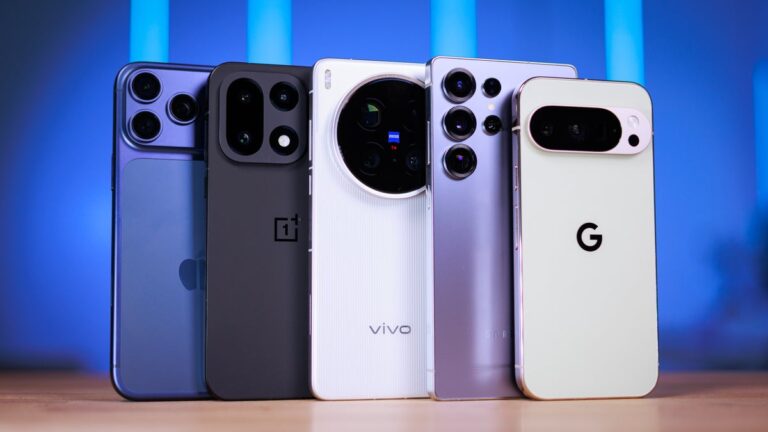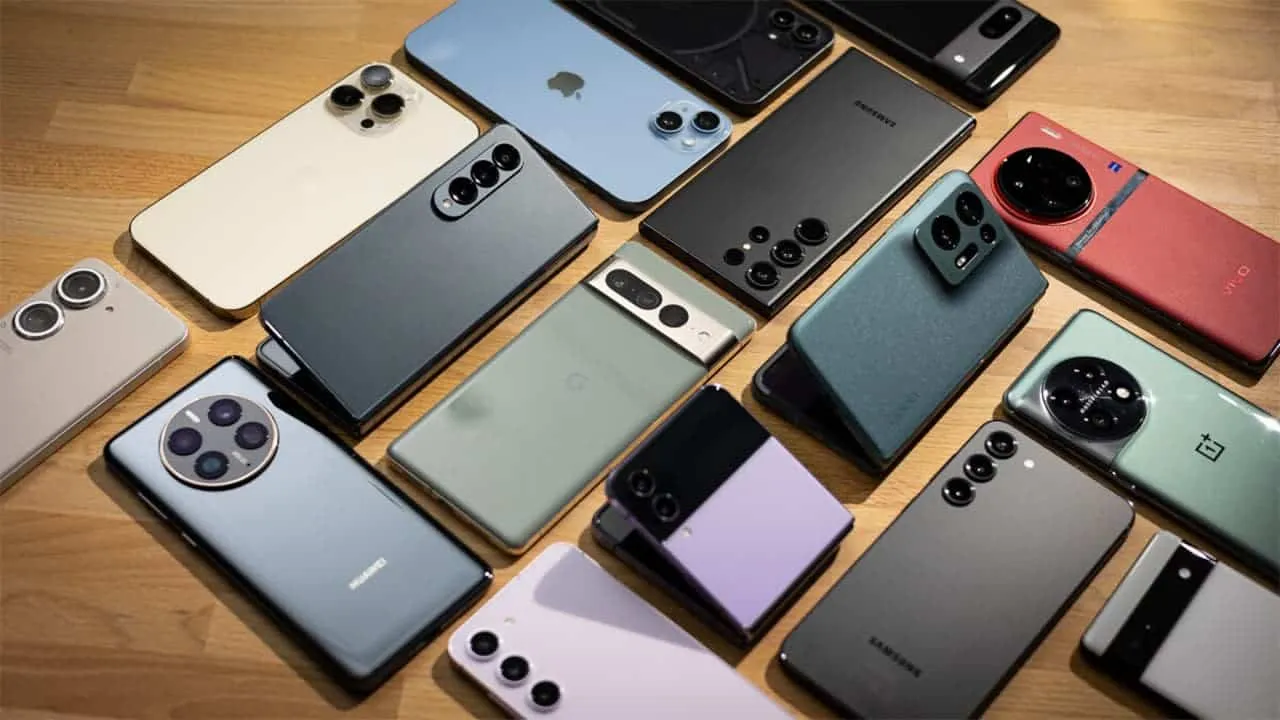
Smartphone marketing often creates the impression that flagship phones are the ultimate goal for every buyer. They get the most attention, the biggest launch events, and the boldest advertising. Yet for many users, mid-range phones offer a much more sensible balance of performance, quality, and price. In recent years, the gap between premium and mid-range devices has narrowed enough that many ordinary buyers no longer need the very top tier to enjoy a smooth and satisfying smartphone experience.
One of the biggest reasons mid-range phones make sense is that they cover the needs of most people very well. The average smartphone user spends most of the day on messaging apps, social media, videos, music, browsing, maps, email, and casual photography. A modern mid-range phone can usually handle all of these tasks smoothly. It may not have the most powerful chip available, but it is often fast enough to feel responsive in daily life. For many people, that practical speed matters more than benchmark numbers.
Battery life is another area where mid-range phones often perform surprisingly well. Because they typically use less power-hungry processors and may not push features as aggressively as premium phones, some mid-range devices deliver better battery endurance in real use. For users who simply want a phone that lasts comfortably through the day, this can be more valuable than having top-level performance they rarely need.
Display quality has also improved significantly in the mid-range segment. Buyers no longer have to spend premium prices to get bright screens, smooth scrolling, or enjoyable video viewing. While high-end phones may still offer the very best panels, many mid-range models now provide displays that look more than good enough for most people. Reading, streaming, and social media all feel pleasant on a strong mid-range screen.
Camera performance remains one of the last major advantages for premium phones, but even here the difference is not always as dramatic as it used to be. In good lighting, many mid-range phones now take very respectable photos. For casual photography, social sharing, and everyday memories, they can do an excellent job. Premium phones still tend to lead in low-light performance, zoom quality, and advanced video features, but not every buyer needs those strengths badly enough to justify the price jump.
Price is where the mid-range category becomes especially compelling. A flagship phone often costs enough to make buyers feel pressure to protect it constantly, finance it over time, or expect perfection from every feature. A mid-range phone usually costs far less while still delivering a very satisfying experience. That creates a stronger sense of value. Instead of paying for every possible premium feature, buyers can focus on what they actually need.
Mid-range phones also make sense for buyers who replace their devices more frequently. Spending less on each phone can make upgrading every few years feel more reasonable. Rather than stretching a budget for a flagship and then holding onto it for as long as possible, some users prefer the flexibility of buying a strong mid-range model and upgrading later when it no longer meets their needs.
There is also something psychologically useful about the mid-range category. It encourages more honest buying. People who shop at this level are often forced to think about what they truly care about. Do they want strong battery life, a good display, reliable software, decent cameras, and enough storage? If so, they may realize that they do not need luxury materials, cutting-edge zoom systems, or peak gaming performance. Mid-range phones reward that kind of realistic thinking.
That does not mean flagship phones are pointless. They can be worthwhile for mobile photographers, power users, gamers, professionals, and people who simply want the best available experience. Premium phones often offer stronger build quality, better cameras, more advanced displays, faster processors, and extra convenience features. But the key point is that these advantages are not equally valuable to everyone.
Software support is one area buyers should still watch carefully when choosing a mid-range phone. Some models offer excellent update commitments, while others may be weaker in long-term support. This matters because a phone is not just a one-day purchase. It is something people often rely on for years. A mid-range phone with good software support can be a much smarter buy than a slightly cheaper option that ages badly.
Build quality has also improved in this segment. While mid-range phones may use less premium materials than flagships, many still feel solid and attractive. Cases and screen protectors also help close the gap in daily experience. Most people care more about whether the phone feels reliable and comfortable than whether it uses the most luxurious finish.
Ultimately, mid-range phones make sense because they align with how most people actually use technology. They are practical, capable, and affordable enough to deliver strong value without demanding premium-level spending. For a large number of users, the mid-range segment is no longer a compromise in the old sense. It is the smart center of the market, where real-life needs and sensible pricing meet.
About The Author