Small businesses do not need endless software. They need the right software. In 2026, the challenge is no longer finding tools. It is choosing the ones that actually make work easier without creating extra cost, confusion, or app overload. Many small businesses lose time not because they lack effort, but because too much information, too many manual tasks, and too many disconnected tools slow everything down.
Accounting Software
Accounting software is one of the first essentials for any serious small business. Even very small operations need a reliable way to track income, expenses, invoices, cash flow, and basic financial reporting. Trying to manage all of that manually for too long often leads to confusion, missed details, and unnecessary stress.
Good accounting software helps a business stay more accurate and more prepared. It makes it easier to understand how money is moving, what is owed, what has been paid, and where financial pressure may be building. This is not only about bookkeeping. It is about giving the business owner clearer visibility into how the business is actually performing.
Customer Relationship Management Software
As soon as a business starts dealing with multiple leads, repeat customers, or ongoing client communication, customer relationship management software becomes much more useful. A CRM helps keep track of customer details, conversations, follow-ups, deal stages, and sales opportunities in a more organized way.
Without a system like this, small businesses often rely too heavily on memory, email search, or scattered notes. That works for a while, but it becomes risky as activity grows. A CRM helps reduce that risk by making customer information easier to manage and easier to act on. For service businesses, sales teams, and growing brands, this can become a major support tool for both revenue and consistency.
Project Management Software
Project management software becomes important when a business has multiple tasks, deadlines, or team responsibilities happening at once. Even a small team can benefit from having one place where work is organized clearly. This is especially true for businesses handling client delivery, recurring internal tasks, content schedules, or collaborative projects.
The value of project management software is not just in listing tasks. It is in giving visibility. It helps people see what is active, what is late, what depends on something else, and what needs attention next. That kind of clarity reduces confusion and makes execution more reliable.
Communication Software
Internal communication can become messy quickly when it depends only on personal messages, email chains, or fragmented updates. Communication software gives teams a better way to stay aligned without losing information across too many channels. For some businesses, this means chat-based communication. For others, it may include video meetings, shared channels, or team announcements.
The goal is not to create more conversation. It is to make necessary communication easier to find, easier to manage, and less disruptive. Small businesses often work best when communication is simple, fast, and visible enough that people do not constantly need to ask for updates that should already be clear.
Office and Collaboration Software
Most small businesses also need a reliable office suite for documents, spreadsheets, presentations, file storage, and collaboration. This may sound basic, but these tools are central to everyday work. Quotes, proposals, reports, planning documents, budgets, contracts, meeting notes, and internal processes all depend on a stable digital workspace.
Strong collaboration software becomes even more valuable when teams work remotely or across multiple devices. Being able to create, edit, store, and share files smoothly saves time and reduces friction. It also helps maintain better control over business information as the company grows.
Payroll and HR Software
As soon as a business begins managing employees or contractors regularly, payroll and HR-related software becomes more important. This includes paying staff accurately, tracking time, managing leave, handling tax-related processes, and organizing people-related records. What seems manageable manually at a very early stage can become complicated quickly once the team expands.
Payroll and HR software helps reduce administrative pressure while lowering the risk of mistakes. For small businesses, this kind of software is often less about complexity and more about reliability. People expect to be paid correctly and on time, and the business needs systems that make that easier to maintain.
Related: What Makes a Good Business Laptop in 2026?
Marketing Software
Marketing software matters because visibility does not happen by accident. Small businesses need ways to send emails, manage campaigns, organize leads, measure basic performance, and sometimes automate parts of customer communication. The right marketing tools help a business stay consistent without requiring constant manual effort.
This does not mean every business needs an advanced marketing stack immediately. But some form of software support usually becomes useful once the business wants to grow intentionally rather than rely only on random word of mouth. Marketing becomes easier when follow-up, segmentation, and messaging are more organized.
Ecommerce or Payment Software
If the business sells products online, ecommerce software becomes essential. If it sells services, payment and invoicing tools still matter. In both cases, the business needs a smooth way to accept money, manage transactions, and make buying feel easy for the customer. Software in this area directly affects revenue because it shapes the path between interest and payment.
Small businesses should pay close attention to how easy these tools are to use, how clearly they handle transactions, and whether they fit the business model. A complicated or unreliable setup can create friction for both the team and the customer.
Automation Software
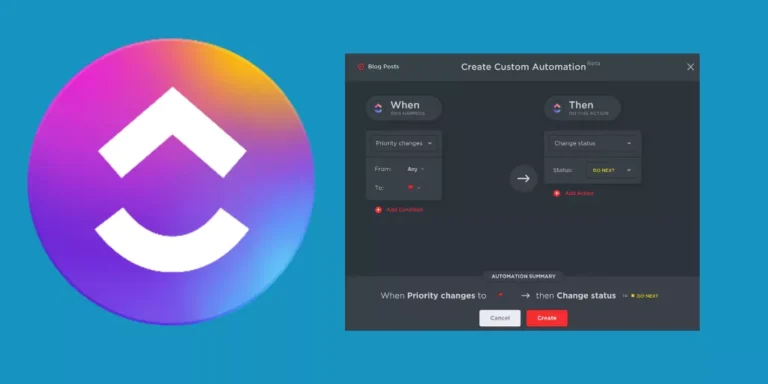
Automation software becomes valuable when the same internal actions keep happening again and again. This could mean sending reminders, moving information between tools, updating records, or triggering routine workflows. Automation helps by removing repeated manual effort from these background processes.
For small businesses, this matters because repetitive admin work often eats up time quietly. A few minutes lost here and there may not seem serious, but over weeks and months they become a real burden. Automation software helps protect time by reducing the amount of repeated work the team has to remember and perform manually.
Do Not Buy Everything at Once
One of the biggest mistakes small businesses make with software is adopting too many tools too quickly. This usually leads to extra cost, confusion, and underused subscriptions. More software does not automatically mean better operations. In fact, too many tools can make the business feel more fragmented and harder to manage.
A better approach is to build a software stack gradually. Start with the categories that solve the most urgent operational problems. Add more only when the business clearly needs them. The best software environment is usually the one that feels simple enough to use consistently, not the one with the longest list of features.
Choose Software That Fits the Business, Not the Trend
It is easy to choose software based on popularity, branding, or what other businesses are talking about. But the best choice depends on how the business actually works. A service business may need stronger scheduling and CRM tools. A product-based business may need better inventory and ecommerce software. A small remote team may care more about collaboration and task visibility than anything else.
Software should match the business’s real workflow. When it does, it feels supportive. When it does not, even a strong tool can become another source of friction. That is why usefulness matters more than trendiness.
Conclusion
The essential software every small business should consider using usually falls into a few core categories: accounting, CRM, project management, communication, office collaboration, payroll or HR, marketing, payments or ecommerce, and automation. Not every business will need every category immediately, but most growing businesses will eventually need several of them.
The goal is not to build the most impressive tech stack. It is to build one that makes the business easier to run. When software reduces confusion, saves time, improves visibility, and supports better customer service, it stops being just another tool and becomes part of what helps the business grow well.
About The Author