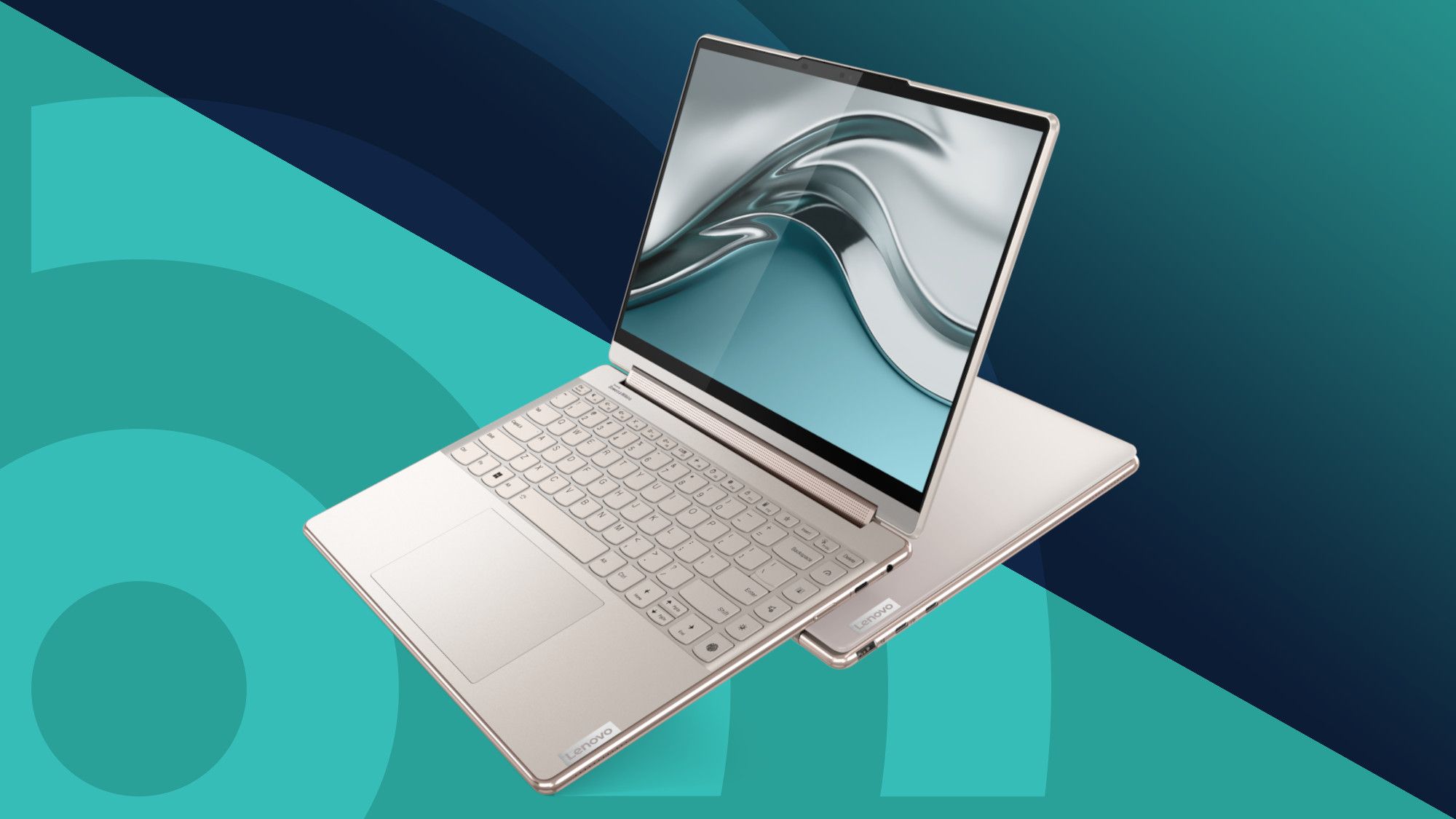
For years, laptop marketing often pushed buyers toward extremes. Some machines focused on maximum power, while others tried to be as cheap as possible. But for many users today, the most interesting laptops are not the biggest performance monsters or the absolute lowest-cost options. Thin-and-light laptops continue to gain attention because they match what a large number of people actually want: portability, battery life, good everyday performance, and a design that fits naturally into work, study, and travel.
One reason thin-and-light laptops are so appealing is that daily computing has changed. Many people now spend most of their time in web browsers, office apps, video calls, messaging tools, streaming platforms, and cloud-based services. These tasks matter, but they do not always require the kind of heavy hardware that larger, more powerful laptops provide. What users often need instead is a device that starts quickly, runs smoothly, and is easy to carry from one place to another.
Portability is one of the strongest arguments in favor of this category. A laptop that is light enough to carry comfortably in a backpack or shoulder bag becomes easier to use consistently. Students moving between classes, professionals commuting to work, and remote workers switching locations all benefit from a device that does not feel like a burden. Weight may seem like a small detail in the store, but over weeks and months of real use, it makes a major difference.
Battery life is another reason this segment stands out. Many thin-and-light laptops are designed around efficiency. That means users can get through meetings, browsing sessions, writing tasks, and light creative work with less anxiety about finding a charger. For many buyers, dependable battery life is more valuable than having peak power they rarely use. A laptop that lasts comfortably through much of the day simply feels more practical.
Design quality also plays an important role. Thin-and-light laptops tend to emphasize clean lines, compact builds, and a more modern overall feel. That matters because laptops are both tools and personal devices. A machine that feels well made and comfortable to use can improve the experience of everyday tasks, even when the internal specifications are not the most extreme. Keyboard quality, trackpad comfort, display clarity, and general build quality often matter more in daily use than top-level benchmark performance.
This does not mean power is irrelevant. Performance still matters, especially when users keep many browser tabs open, switch frequently between apps, or work with large documents and media files. The good news is that modern thin-and-light laptops are usually powerful enough for mainstream productivity. They handle emails, streaming, video calls, presentations, writing, research, and casual editing very well. For a large part of the market, that is exactly the right level of performance.
Display quality has become another major strength in this category. Because these laptops are often used for work, reading, and entertainment, manufacturers now pay more attention to brightness, sharpness, and color quality. A good screen improves almost everything: documents feel cleaner, streaming looks better, and video calls become more pleasant. Buyers may not need a studio-grade display, but a bright, comfortable screen adds real everyday value.
Thin-and-light laptops also reflect changing ideas about productivity. A growing number of people want a device that can move easily between work and personal life. The same laptop may be used for spreadsheets in the morning, video calls in the afternoon, and streaming or casual browsing in the evening. A machine that balances comfort, portability, and dependable performance supports that flexible lifestyle better than something overly specialized.
Of course, there are trade-offs. Thin designs may limit upgrade options, reduce port variety, and make heavy gaming or demanding professional workloads less suitable. Buyers who need advanced video editing, 3D work, engineering software, or long gaming sessions may still be better served by larger, more performance-focused machines. But that does not weaken the category. It simply highlights that thin-and-light laptops are designed for a different kind of priority: balance.
That idea of balance is exactly why they are winning. Most buyers are not looking for the absolute best machine in one narrow area. They are looking for a laptop that feels good to carry, lasts long enough to rely on, performs well during real daily tasks, and looks modern without becoming difficult to live with. Thin-and-light laptops answer that need very well.
Price also makes this segment interesting. Buyers can often find a wide range of options, from accessible everyday models to premium productivity devices. This variety helps make the category attractive to students, professionals, and casual users alike. Instead of paying for extreme performance or very specialized features, many people can spend on the things that matter to them more: better screens, stronger battery life, and nicer build quality.
In the end, thin-and-light laptops are winning because they reflect how many people actually use computers today. They are not designed to dominate every possible use case. They are designed to be carried, opened, trusted, and enjoyed across everyday life. For most users, that kind of thoughtful balance is more valuable than raw power alone.
About The Author